Tuesday, May 17, 2011

Southern Literary Trail: A National Road to Recovery?

High school students read from Fitzgerald's classic
works outside the Scott and Zelda Fitzgerald
Museum in Montgomery, Alabama.
Photo by Patrick Miller
Tourism Attractions: multiple literary sites from classic authors
Locations: Mississippi, Alabama, Georgia
Photos: provided by the Southern Literary Trail, unless otherwise credited


“THE SOUTHERN LITERARY TRAIL connects southern places in Alabama, Georgia and Mississippi that inspired great American writers to create classic fiction and plays. The inspiration continues. Every two years, the Trail's organizers host Trailfest, the only tri-state literary festival in the United States with free events, theatrical performances and heritage tours.”
---From the Southern Literary Trail website

The Southern Literary Trail uses a central website to connect all these places and events, providing a convenient gateway for readers to browse through all the tourism opportunities. The website includes links to individual museums and attractions along with updated schedules for events. The following is my dialogue with the Trail’s founder, William Gantt. Visit the Southern Literary Trail by clicking this link: Southern Literary Trail.

Interview with William Gantt, Founder of the Trail

Rowan Oak, the home of Faulkner
in Mississippi, one of the
attractions on the Southern Literary Trail.


Patrick Miller: One of the most interesting aspects of the Southern Literary Trail is its multi-state organization. Instead of each tourism attraction working independently to promote itself, all the attractions benefit from a central website. For example, I started looking at the trail when researching Monroeville’s tourism connection to Harper Lee, but suddenly I was clicking on links and reading about the Scott and Zelda Fitzgerald Museum in Montgomery, Faulkner’s house in Mississippi, and other literary tourism attractions in Georgia. I wouldn’t have known about those other places without a central website connecting them all with easy links, for example this link to the Scott and Zelda Fitzgerald Museum.

Did the partner attractions experience a marked increase in tourism after joining the Southern Literary Trail? If so, has that increase accelerated over time? For example, a Monroeville resident told me that the Monroe County Courthouse and Museum used to be visited by individual carloads of tourists, but now long lines of buses are arriving every year for the events.

William Gantt: Yes. Our partner sites have reported increases in both visitation numbers and general exposure by their participation in the Southern Literary Trail. For example, the Carson McCullers Center was contacted by a McCullers fan in Japan who discovered the Center on our website. This fan has attended two events in Columbus, Georgia, dedicated to Carson McCullers since her discovery of the Trail. Many of our sites report visits by guests who are using the Trail map as their guide for literary tourism through the three member states. Some of these visitors have been from Europe.

Miller: Whenever literary tourists visit attractions on the Southern Literary Trail like Monroeville or the Fitzgerald Museum, they are likely to be staying in local hotels, eating in local restaurants, and shopping in local stores during their visit. All of this economic activity is great in good times, but now that the economy is on the verge of collapse, are such tourism attractions becoming vital rather than just beneficial to local economies?

Food for thought: Literary tourists
also spend money in local restaurants!
For example, the Congress is currently debating raising the nation’s debt ceiling because the country can no longer afford to pay its debts due to lackluster economic activity. What would be the impact if the federal government launched a national literary trail based on your model? Would such a national trail help boost tax revenues and create jobs across the nation? Based on your experience with the operating costs of the Southern Literary Trail, would establishing a federal trail be cost prohibitive right now or a wise investment involving minimal taxpayer dollars with a much higher return in tax revenues?

Gantt: Trail attractions and programs definitely bring tourists into their towns. It goes without saying that tourists want lodging and good local food. I think any collaboration is beneficial, and it certainly maximizes the expenditures of public funds when multi-state partnerships are created for investments in collective promotion and mutual programs.

Miller: If the federal government did establish a national literary trail, how important would it be to use the Southern Literary Trail as a model? Are there any mistakes or pitfalls that you would warn them to avoid based on your experience? Would you want to merge into such a national trail, remain completely independent of it, or establish a regional autonomy within a national publicity platform (i.e., each national region would run its own trail, but all would be highlighted and publicized on the national trail).

Andalusia Farm in Georgia.

Gantt: I think our Trail serves as a model for anyone who seeks to cross state lines for creative or artistic purposes. You must realize that individual partners do not want to surrender or give up their own personalities in the process. So, you must avoid the mistake of seeking collaboration at the cost of individuality. Every literary museum takes on the personality of its particular writer. Naturally a house museum such as the Welty House, the Fitzgerald House Museum, Rowan Oak or Andalusia Farm will reflect the personality of its occupant. That’s what you want. Visitors go to Rowan Oak to see how Faulkner lived. Consequently, a partnership must seek to celebrate the differences and individuality of each partner. It is a common mistake for collaborative projects to seek “common ground.” The Trail merges some amazing and unique writers through the “common ground” of great 20th Century American fiction and a theme of place as influential on writing. Beyond those shared traits, we seek to celebrate the differences and diversity of our writers.

Miller: The Europeans have a well-organized, lucrative literary tourism industry, but America seems to lag far behind in this market, except for the Southern Literary Trail. Is there something unique about the South that produced our nation’s first multi-state organized literary trail? Why do you think the rest of the country hasn’t caught on to the idea yet?

Gantt: I am pleased to say the Southern Literary Trail is the nation’s only tri-state literary trail. In the South, we are storytellers, and we appreciate great stories. Perhaps Europeans have a similar storytelling culture. I hope that our success indicates the rest of the nation is ready for this concept that we have pioneered.

Update: Jan. 2012, F. Scott Fitzgerald's This Side of
Paradise: Interactive Tourism Edition
released
with links to the Southern Literary Trail (seen above)
inside the book. Available as exclusive Kindle edition. 

Miller: New technologies like the Kindle are creating vast yet largely untapped opportunities for promoting tourism. For example, Kindle novels can include live, clickable links inside the text that allow readers to jump instantly to related websites like the Southern Literary Trail. As more readers convert to reading books on Kindles and iPads (which also support Kindle novels), what are the possibilities of putting a direct link to the Southern Literary Trail in all of the trail’s books?

Would such links dramatically increase tourism to the trail’s attractions? For example, what if every Kindle edition of The Great Gatsby included a direct link to the Fitzgerald Museum’s page on the Southern Literary Trail in Montgomery? Or perhaps every Kindle edition of To Kill A Mockingbird included a Southern Literary Trail link to Monroeville? Millions of people will continue to read these classic novels for generations, but many don’t know about the literary tourism sites or events related to the books. Would you consider partnering with the publishers to advise them in producing Tourism Editions of these classic books?

Gantt: Of course. We are looking for any partnership that will promote reading of classic Southern fiction, which is also the best American writing in my opinion. I still buy books that consist of paper and bound covers, but we certainly have organizers and participants in the Trail who could assist in connecting and linking with newer technologies.

Miller: Have you ever considered including contemporary authors on the Southern Literary Trail? I know that such an inclusion would require a high standard of literary merit, not just high sales numbers. However, how would one identify modern novels that will one day become literary classics?

For example, take Alabama author Watt Key’s debut novel Alabama Moon from 2006:
A classic novel for the 21st century?

• Sold over 100,000 copies
• Published by a major New York house
• Made into a movie starring John Goodman
• Translated into several languages
• Already being taught in schools
• Has a classic theme on the importance of human relationships
• Set in the real Talladega National Forest of Alabama
Today's Tom Sawyer: Camping Under An Alabama Moon

Gantt: The Trail’s bylaws require our honored writers to be authors of classic 20th Century fiction that can be readily identified with particular places. Contemporary writers are not candidates for the Trail in the foreseeable future. But, we do honor current writers in our programs and celebrations, notably current writers who are clearly influenced by a sense of place. The Trail structure does provide us with a great tentpole to celebrate contemporary fiction writers within these themes. Our bylaws do not include writers of non-fiction.
Can contemporary tourism novels use mystery,
suspense, and romance to boost
tourism across the nation? Blind Fate
is the first tourism novel to use links
inside the story to allow readers to
visit the websites of the real settings.

Miller: If the goal of a national literary tourism trail would be to spur economic activity and get this nation back to prosperity, would it be wise to include genre novels in separate categories such as romance, mystery, and suspense? I know that such novels would not (and should not) be included on the Southern Literary Trail. However, consider all of the women in the nation who are addicted to romance novels. Who has ever invited them all to visit one place, the real setting of a novel? These types of novels might not rise to the level of Fitzgerald in literary merit, but millions of readers do consume them with a voracious appetite. What would happen if those novels were geared towards tourism like the books on the Southern Literary Trail? Could the tourism organizational tools of the Southern Literary Trail be used as a model for non-classic but popular works of contemporary fiction? Could tourism fiction become a hot new genre?
Blind Fate: a modern tourism suspense novel.

Gantt: I think any collaborative effort to support the literary arts and literary tourism is a good idea! I do not foresee the Trail as a project that will ever attempt to create genre categories for the writing we celebrate.

The reading room in the Fitzgerald Museum offers
scholars, students, and literary tourists a wealth
of material to connect with the classic author
on a much deeper level.
Miller: Speaking of Fitzgerald and romance, how many modern readers do you think are aware of just how romantic he was? Is there some way of reintroducing him to modern readers as the ultimate standard in romance? What can modern authors learn from his concepts of romance, of those precious moments that bloom in the early part of a courtship? Do you think modern romance readers would not respond to his work or have they simply never been exposed to his elevated sense of love, where every motion and inflection of a beautiful woman can conquer a man’s heart?

Gantt: All a modern reader needs for an introduction to Fitzgerald’s complex views of romance and love is “The Ice Palace,” a short story about his romance with Zelda and inspired by Montgomery. The Alabama Readers Theatre just performed it in several of our Trailfest 2011 programs and it mesmerized our audiences. Any reader will get hooked on Fitzgerald and his notions of romance with “The Ice Palace.” Hopefully one story or novel leads to another after the initial introduction has been made.
The first classic novel in the world with an
interactive tourism guide, now available at Amazon. 

Editor's Note: For a great excerpt from an article written by Fitzgerald on the inspiration of “The Ice Palace,” visit this link: "The Ice Palace" Fitzgerald's southern inspiration.

Miller: In today’s society, most of us are extremely distracted by a variety of entertainments, from Facebook, to smart phone apps, to hundreds of satellite and cable channels. I enjoy reading classic works because they were written before such distractions seemed to take over our national attention span. Reading a classic novel is almost a relaxing step into a time that was more focused and meaningful. Is it more difficult to market something like the Southern Literary Trail in such a fragmented society or have you found that modern tools like the Internet help?

Gantt: The internet absolutely made the Trail possible. This project would not have existed without the internet. Most of our communications between Trail partners and organizers are conducted electronically or via social networks.

Miller: What are the plans for the Southern Literary Trail to expand into other Southern states? For example, there is Hemingway’s home in Key West: http://www.hemingwayhome.com/.

Gantt: At the moment, we are building our project within the three original member states. Our Trail board voted not to add any more states for the next two years, at least.
Large crowds of tourists at the Monroe
County Courthouse and Museum in
Monroeville, AL, hometown and
inspiration for Harper Lee's classic
novel To Kill A Mockingbird.
Photo by Peggy Collins,
Alabama Department of Tourism 

Miller: The Southern Literary Trail is an emerging economic engine in the states hardest hit by the recent tornadoes and the after-effects of the Gulf Oil Spill. What role could the federal government play in helping to boost our tourism as a way of paving our road to recovery?

For example, what would be the impact if President Obama gave a national speech highlighting the Southern Literary Trail from the beautiful grounds of the Fitzgerald House (which served as the first meeting place of the Southern Literary Trail’s organizers)? Such a speech might include an invitation for other states and regions of the country to adopt the same model of literary tourism to be promoted on a national website. Alabama was already hard-pressed to meet its budgetary goals before these tragic events, but increased state tourism revenues can help the overall recovery effort in areas that need it the most right now. How critical are tourism revenues to the state budget and would such national publicity be worth even more (in potential tourism revenues and jobs) than FEMA grants?

Gantt: We would welcome a speech by the President or any national leader that highlights the Trail and encourages visitors to discover us! I must remind you that we are not just a tourism project. Many of our partner sites actually are dedicated to scholarship efforts, such as providing homes to writers and artists in residence. While we encourage literary tourism, I would hope that some national recognition might be paid our sites for their promotion of literary scholarship. For example, the Lillian Smith Center in Clayton, Georgia, has an artist in residence program every summer. It is not generally opened for tourism, but it still does very important work for the promotion of both classic and contemporary Southern Literature. The McCullers Center can be toured by appointment, but its daily mission is research and scholarship.

The interior of the Monroe County Courthouse
during a reenactment of the trial in
To Kill A Mockingbird. Photo by Peggy
Collins, Alabama Department of Tourism.

Miller: Generations of readers have not only been entertained but enriched as human beings by classic novels. Many of the travelers on the Southern Literary Trail have read the books long before, but what is their experience when stepping into the many attractions on the trail? How does visiting the physical places add to the experience of reading the book? For example, what is it like for fans of Harper Lee’s To Kill A Mockingbird to step into the real courtroom that inspired her famous trial with Atticus Finch?

For pictures of Monroeville and the courthouse, click here: Hollywood Visits Monroeville.

Gantt: As I stated, the influence of place upon Southern fiction is one of the themes of the Trail. For a reader to step into the settings that influenced one of his or her favorite novels can be as life-affecting as reading the book itself. We make these experiences possible along our Trail. I am grateful to this blog and so many others for helping us to create and promote this journey for readers.

Sunday, April 10, 2011

What Would Fitzgerald Think of the Kindle?


A girl at the F. Scott and Zelda Fitzgerald Museum holds
an early 20th century original first edition of The Great Gatsby
beside an early 21st century Kindle edition of the same famous work.
Excerpt From: Before Gatsby: The First Twenty-Six Stories
Tourism Attraction: F. Scott and Zelda Fitzgerald Museum
Location: Montgomery, Alabama
Photos: Gala photos by Walter "Huck" Carroll. Other photos by Patrick Miller. Click any photo to enlarge!

Young people are always discovering classic writers for the first time. These days, odds are that they might first discover writers like Fitzgerald on a device like the Kindle or Nook. Just today I was taking my son to the doctor and saw a seven year-old boy in the waiting room reading The Cat in the Hat on an iPad! His mother told me that he was better at using the device than anyone in the family. Welcome to the future of reading.

As I read some of Fitzgerald’s novels for the first time on my Kindle, I began wondering how the famous author himself would have reacted to the device, had it come out in the 1920s. Any answer to that question would be pure speculation, but I have developed some interesting theories about this intriguing writer who still captures our imagination even seventy years later. Follow this theme in the Tourism Guide at the end of the excerpt, and feel free to post your thoughts in the Comments. 

This young fellow sits on a bench at the F. Scott and Zelda
Fitzgerald Museum holding a Kindle copy of The Great Gatsby.
Will he be one of the first members of Generation K: The Kindle Generation?
Fortunately, one does not always have to rely on speculation when wondering about Fitzgerald’s views. I began my study of him with a wonderful book published by the University of South Carolina Press (and edited by famed Fitzgerald scholar Matthew Bruccoli) called Before Gatsby: The First Twenty-Six Stories. This book (not available on Kindle) offers both a collection of his first published stories and also many intriguing insights into his mind.

One such insight is an article he wrote describing his inspiration for “The Ice Palace,” a short story published in the Saturday Evening Post back in 1919. “The Ice Palace” has a strong connection to my hometown of Montgomery, Alabama, and also served as the basis for a dramatic presentation recently at a lecture given at the F. Scott and Zelda Fitzgerald Museum in Montgomery. Learn more about this beautiful museum and the surrounding historic Old Cloverdale district in the Tourism Guide and Links at the end. The museum is housed in the only surviving family residence of the Fitzgeralds and offers a rare collection of books, paintings, and letters from their colorful life together.

The F. Scott and Zelda Fitzgerald Museum is also on the Southern Literary Trail, a cooperative organization including many famous houses and sites from literary figures in Georgia, Alabama, and Mississippi of national prominence. Find their link in the Tourism Guide. One of the Fitzgerald museum's most entertaining events of the year is an annual Flapper gala and auction, which you will see photos of throughout this feature.

From Before Gatsby: The First Twenty-Six Stories


The idea of “The Ice Palace” (Saturday Evening Post, May 22), grew out of a conversation with a girl out in St. Paul, Minnesota, my home. We were riding home from a moving picture show late one November night. “Here comes winter,” she said, as a scattering of confetti-like snow blew along the street. I thought immediately of the winters I had known there, their bleakness and dreariness and seemingly infinite length, and then we began talking about life in Sweden.

“I wonder,” I said casually, “if the Swedes aren’t melancholy on account of the cold—if this climate doesn’t make people rather hard and chill—” and then I stopped, for I had scented a story.

I played with the idea for two weeks without writing a line. I felt I could work out a tale about some person or group of persons of Anglo-Saxon birth living for generations in a cold climate. I already had one atmosphere detail—the first wisps of snow weaving like advance-guard ghosts up the street. 
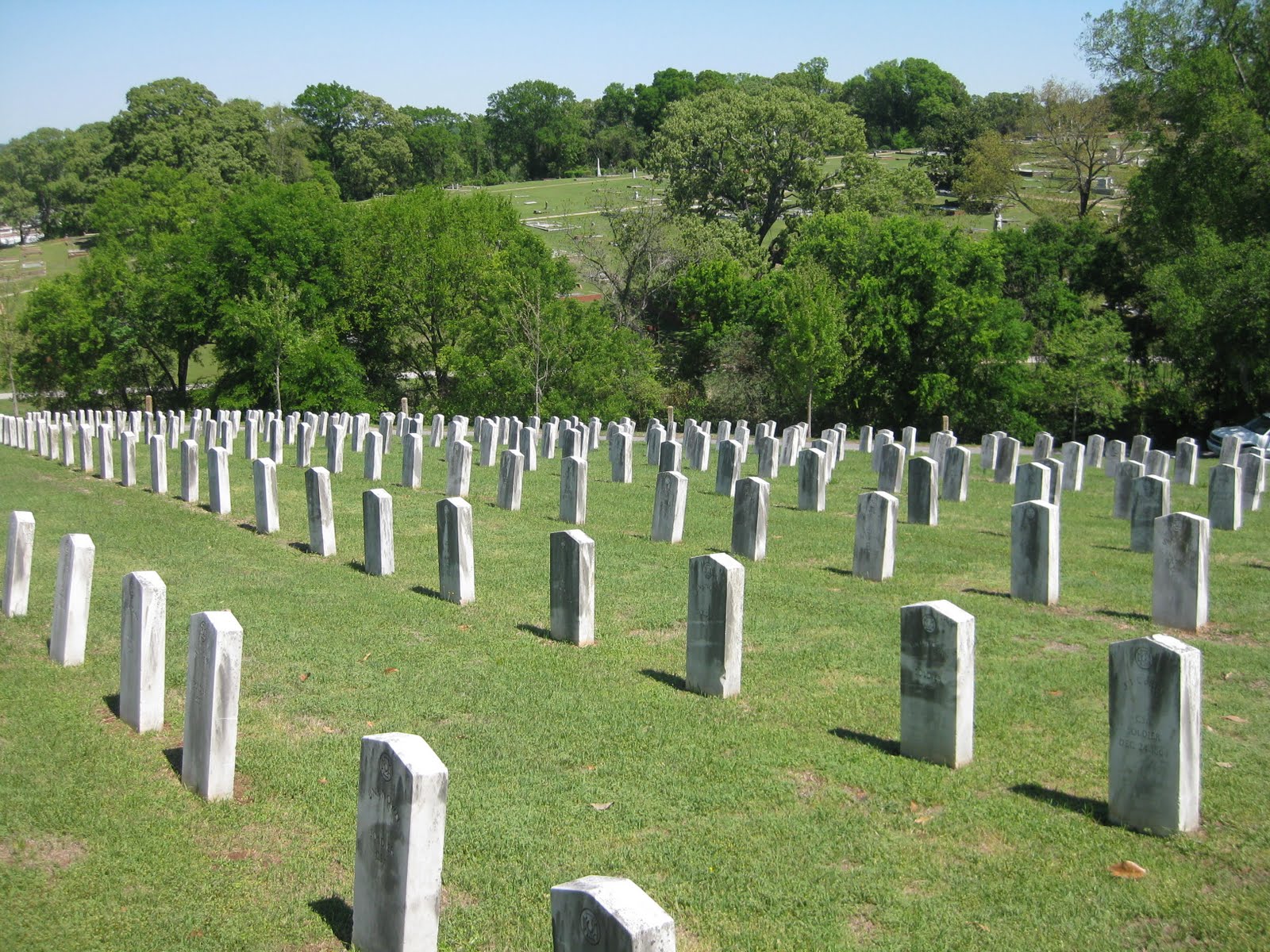
Confederate graves in modern Montgomery
At the end of two weeks in Montgomery, Alabama, and while out walking with a girl I wandered into a graveyard. She told me I could never understand how she felt about Confederate graves, and I told her I understood so well that I could put it on paper.

Next day on my way back to St. Paul it came to me that it was all one story—the contrast between Alabama and Minnesota. When I reached home I had

(1) The idea of this contrast.

(2) The natural sequence of the girl visiting the north.

(3) The idea that some phase of the cold should prey upon her mind.

(4) That this phase should be an ice palace—I had the idea of using an ice palace in a story since several months before when my mother told me about one they had in St. Paul in the eighties. 
A guest at the museum's annual Flapper gala and auction.

(5) A detail about the snow in the vestibule of a railway train.

When I reached St. Paul I intrigued my family into telling me all they remembered about the ice palace. At the public library I found a rough sketch of it that had appeared in a newspaper of the period. Then I went carefully though my notebook for any incident or character that might do—I always do this when I am ready to start a story—but I don’t believe that in this case I found anything except a conversation I had once with a girl as to whether or not people were feline or canine.

Then I began. I did an atmospheric sketch of the girl’s life in Alabama. This was part one. I did the graveyard scene and also used it to begin the love interest and hint at her dislike of the cold. This was part two. Then I began part three which was to be her arrival in the northern city, but in the middle I grew bored with it and skipped to the beginning of the ice palace scene, a part I was wild to do. I did the scene where the couple were approaching the palace in a sleigh, and of a sudden I began to get the picture of an ice labyrinth so I left the description of the ice palace and turned at once to the girl lost in the labyrinth.

Parts one and two had taken two days. The ice palace and labyrinth (part five) and the last scene (part six) which brought back the Alabama motif were finished the third day.

This guest at the gala has certainly caught the Flapper spirit!
So there I had my beginning and end which are the easiest and most enjoyable for me to write and the climax, which is the most exciting and stimulating to work out. It took me three days to write parts three and four, the least satisfactory parts of the story, and while doing them I was bored and uncertain, constantly re-writing, adding and cutting and revising—and in the end didn’t care particularly for them.

That’s the whole story. It unintentionally illustrates my theory that, except in a certain sort of naturalistic realism, what you enjoy writing is liable to be much better reading than what you labor over.

--Excerpted from Before Gatsby: The First Twenty-Six Stories, published by the University of South Carolina Press. This particular excerpt was also an excerpt in the book and turned out to be in public domain, as determined by the Fitzgerald estate.

Tourism Guide 
The party goes on at the annual Fitzgerald Gala.

The F. Scott and Zelda Fitzgerald Museum was once the home of the famous couple in the early thirties. Saved from destruction in the 1980s, it now serves as a beautifully restored museum with many enchanting items from their turbulent and romantic past. After reading about the infamous parties in both Fitzgerald’s fictional world and real life, walking into a room where many of those parties were actually held is quite an amazing experience. And yes, some of those parties got so loud that the neighbors complained! Fitzgerald in real life was far from what many young people today would consider dry or boring.

A streetcar-styled tour bus stops at one of
several scenic parks in historic Old Cloverdale.
The museum is also in the scenic Old Cloverdale historic district of Montgomery, which boasts many beautiful houses, walkways, parks, churches, and even the gorgeous campus of Huntingdon College. If Fitzgerald were living there today, one would probably often find him down at Sinclair’s restaurant and bar, a favorite haunt of the modern fun-loving crowd. Or he might be attending a play with Zelda at the new Cloverdale Playhouse, soon to open for its first production in a lovingly restored church. 

One great attraction at the museum is an insightful twenty minute video about people who knew the Fitzgeralds. Admission to the museum is free, but it does accept donations (suggested minimum for adults: $5). During these tough economic times, museums like this struggle more than average due to government cuts in cultural programs, so donating more than $5 would certainly be appreciated.


Outside the Fitzgerald Museum, students from BTW
Magnet High School in Montgomery
read from Fitzgerald's greatest works.
The student on the left reads from a Kindle;
the other two read actual first editions from the 1920s.
If enough people find out about the museum, it could easily become an anchor for drawing more tourism dollars to the area. With the beautiful surrounding attractions in the Montgomery area, a trip would be a culturally enriching experience with all the luxury trimmings of a relaxing vacation. Just visit the city’s main tourism website in the Tourism Links to find out about other area attractions to add to your list.

As to how Fitzgerald would have reacted to the Kindle, that is a difficult question, but there are some elements that can be looked to for an answer. Let’s get something out of the way first. Most people’s initial hesitation at reading a Kindle is the thought of the eye strain one often encounters when reading many pages on a computer screen. Believe me when I say that the innovative electronic ink used on this device offers (incredibly) the same physical contrast to the human eye as ink on paper. This technology is revolutionary, and one has to literally see it to believe it.
A student from Montgomery Catholic Preparatory School
holds up one of the many resources
available in the museum's impressive reading room.

Secondly, one has to ask whether Fitzgerald knew his markets or just sat back and wrote brilliant works knowing that others would become enchanted. Before Gatsby makes clear that Fitzgerald had definite notions about marketability. For example, he knew which stories would be perfect for which magazines and even particular editors, and he was willing to adapt his stories to meet those expectations. One has to be careful here to note that Fitzgerald wouldn’t have considered these changes “selling out” because his powers of writing could combine both art and marketability with amazing lyrical symmetry. Fitzgerald certainly had no problem with making lots of money and took pride in his abilities.

Now, if the Kindle came out on the market in the twenties, Fitzgerald would have certainly been aware of this new trend. Would he have held back or jumped in? One has only to look at present day 2011 and note that virtually every bestselling book has a Kindle edition and that the Kindle market is growing exponentially every year. Once Fitzgerald saw that emerging market, he would have had no qualms about jumping on board. 
A young couple at the Fitzgerald Gala.
The great author's flamboyant Flapper lifestyle
continues to resonate with younger generations today.
Fitzgerald wrote about the young, beautiful, and rich. As soon as he saw the first magazine ad showing a young, classy, beautiful woman reclining on a yacht reading a Kindle, he would have been sold. Just compare such an advertisement to one of the recent television ads for the Kindle. Naturally, like the present, his books would have been sold both in hardback and Kindle at the same time, making money from both.

However, let’s go deeper into the Kindle reading experience. Why is it that so many people feel threatened by these technological advances in the publishing world? They often say something like, “I just prefer the feel of turning the pages.” Would Fitzgerald have also felt that nostalgic yearning, despite any concerns of marketability? People attach a sentimental value to physical paper books and associate the act of turning the pages with the power the words have on their soul. When they look at that hardback on their bookshelf, they remember the pleasurable experience of reading those words. Somehow, an electronic replacement seems cold and lifeless when contrasted against the warm memory of a bound book made from living things, not plastics and circuits.

Here is the key question: what if the first time someone feels that power of those words, they experience it while reading on a Kindle? Is the power of words really altered by the physical format of presentation or can that feeling stand alone? For a much broader perspective, contrast early medieval books against 20th century books. Those from long ago in more romantic times might have had a hard time putting aside their hand-crafted books, each one a work of art, for books mass-produced on cold mechanical presses. Their treasured memories of reading would have been very threatened by such books.

Younger generations always adapt much faster to new technology,
but all generations can experience the enduring beauty of classic tales.
Yet the printing press increased world literacy rates by incredible bounds because books were no longer so expensive that only wealthy nobles or highly-placed church scholars could afford to buy them. As the price of ereaders inevitably continues to fall, who is to say that young readers in rural counties and developing nations might not benefit from having access to the world’s library of greatest works—never before available to them in more expensive paper books? This is not so unrealistic if one considers that many libraries are starting to use ebooks and most classic works of literature are available for free in ebook forms, allowing a single library to hold a much larger collection than ever imaginable before.

Here is one more intriguing point: if one feels the power of words on a Kindle, that sentimental memory can be enhanced by many treasured experiences on one physical device. For example, when I see my Kindle on the bedside table, I think of the great hours spent reading This Side of Paradise, The Beautiful and Damned, and The Great Gatsby for the first time all at once. Does this mean that a Kindle can actually have more nostalgic value for readers than a single hardback? I say yes, but each to his own!
Another guest at the gala joins the spirit of the party.

Fitzgerald did have the capability of seeing the emerging power of new trends. For example, he saw the “moving pictures” industry as a powerful new art form and ending up writing for the movies. Many of his works were adapted to the big screen, even in the days of silent movies. Some of the pictures in Before Gatsby show these original posters, along with original magazine covers from the Saturday Evening Post. If he could see the potential of movies in the twenties, then he might have seen the potential for ebooks as well (not exactly an art form, but simply a new advance with incredible potential).

The Kindle can hold up to 3,500 books in a device that weighs less than a paperback. Books can be downloaded wirelessly in less than sixty seconds. Those would be attractive features for a famous author who read a great deal and moved around the globe and from coast to coast quite often. Fitzgerald loved to read; that is for sure. He might have thoroughly enjoyed having his favorite authors available at the click of a button. The Kindle also has features perfect for scholars and students, such as highlighting passages for quick reference, note taking, and automatic last page read finder for any book downloaded.

One last exciting point. The new web-browsing feature of Kindles allows for tourism links to be embedded directly into a Kindle book. For example, what if a new tourism Kindle edition of The Great Gatsby were to have a clickable link at the end that led readers directly to the website of the F. Scott and Zelda Fitzgerald Museum? And perhaps a live link to the Southern Literary Trail?
Some of the items on display at the museum.

Such links would allow readers of all types of classic novels to instantly browse important educational and tourism websites about the works without having to type into a search engine and sift through the thousands of results. Publishers could guide readers straight to the best websites to learn more. Many readers would love to know about places like the F. Scott and Zelda Fitzgerald Museum, and what better place to offer them a link than inside the book itself?

A plus to publishers: such a tourism guide would allow for a small, reasonable fee for downloading special tourism Kindle editions, meaning that even books in the public domain could still earn money. Most readers wouldn't mind paying a few dollars for a book that promised to show them how to visit the real places that inspired the story. Also, such interactive travel guides inside web-browsing digital books would reach millions of potential tourists worldwide from future generations who will read these classic novels. What sort of positive economic impact might that have on tourism revenues in the South? How many jobs would it create? Those are two very interesting questions!
Michael Briddell and his wife Kay enjoy the gala.
Kay is a board member of the museum, and
Michael is the Director of Public Information
for the city of Montgomery.

The Fitzgerald museum already attracts international visitors, along with many regional and national tourists. Why not increase that rate by a thousand percent by putting a link to it and the Southern Literary Trail into every related classic novel sold? This could be done in paper and digital books, but digital web-browsing books allow the reader to go instantly to the tourism websites with a simple click from inside the book. That is the future of reading, so why not adapt it to support classic novels in a whole new way?

Wouldn’t it be ironic (and just) if literature turned out to be a major component of bringing our nation out of an economic slump? After all, there are many wonderful places to visit around the nation and many talented authors near those places. Why not connect them all together through modern tools like interactive tourism guides? We’ve all heard the saying “Our greatest resource has always been our people.” And only from people come the unique talents inherent in literature and art. Few people have been, or ever will be, as uniquely talented as F. Scott Fitzgerald. So if classic novels were to start having interactive tourism guides, isn’t he the perfect person to start with? Fitzgerald himself might have thought this idea quite “jazzy.”
A Kindle tourism link to the F. Scott and Zelda
Fitzgerald Museum from inside Fitzgerald's This Side
of Paradise: Interactive Tourism Edition.

If you disagree with any of these points (as I’m sure some people will), feel free to post your thoughts on the subject. Please do be constructive, but if you just absolutely hate the Kindle, tell us why. Feel free to share some love for the Kindle as well. And if you want to really feel a stronger connection to Fitzgerald—beyond reading his great works—try stepping into his actual house and absorbing the moment. Take a walk through Old Cloverdale and experience the charm that was once a part of his and Zelda’s romantic life. Visit the links below to learn how to step into the story.

Regardless of what happens with ebooks, first print editions of Fitzgerald’s works will always be sacred treasures that can never be replaced. Some in the literary world might even place their value above “a diamond as big as the Ritz.” If Fitzgerald had known just how popular and iconic his works and personality would become, he would have been extremely proud.

Students take a moment to read the quotes
 from Fitzgerald and his wife Zelda on the historical marker.


Special Note: the first edition Fitzgerald novels seen in the photographs of this feature are normally in a locked glass display case. I wanted to offer area high school students interested in literature a rare chance to touch a piece of literary history. The owners of the Fitzgerald home, Julian and Leslie McPhillips, generously allowed these first editions to be taken out and read from by the students for the photo shoot.

As it turns out, the McPhillips live in a historic home two doors down that formerly belonged to Helen Keller’s sister, and Helen often stayed there on visits. After checking out the Fitzgerald museum, take a short walk east down the sidewalk to the historic marker for the Keller home, a beautifully restored Tudor style house. What a charming neighborhood Old Cloverdale is with such a rich history! Harper Lee spent time in the neighborhood while attending the gorgeous Huntingdon College, also pretty for its Gothic style campus buildings and just a few short blocks from the Fitzgerald museum.

Update! 
First Fitzgerald Novel Published With Interactive Tourism Guide: This Side Of Paradise: Interactive Tourism Edition now available in Kindle store by clicking here!
All royalties are being donated to the Scott and Zelda Fitzgerald Museum.

Tourism Links

F. Scott and Zelda Fitzgerald Museum
Before Gatsby: The First Twenty-Six-Stories
Sinclair's Restaurant

Cloverdale Playhouse
http://www.facebook.com/group.php?gid=289783765813#!/pages/Cloverdale-Playhouse/313314693627

Huntingdon College
Renaissance Montgomery Hotel & Spa
City of Montgomery Tourism
The F. Scott Fitzgerald Society

A reverse of “The Ice Palace” –a northern girl moves to Montgomery in 2009 "The Heights"

Join the SELTI project by clicking on the Follow button in the top left. Get email updates on new features by joining the SELTI Facebook group below. Invite friends who might be interested. SELTI on Facebook

When I told novelist Sibella Giorello, formerly profiled on SELTI, about my visit to the Fitzgerald museum, she asked me to write a feature about the experience. Check out the SELTI feature based on her crime novel The Clouds Roll Away, set in modern Richmond and the charming James River Plantation estates. Sibella also just came out with a new novel in the series, The Mountains Bow Down, which is set on an Alaskan cruise ship. Now there's a literary tourism novel for the present day!
Mystery Meets Charm in Richmond

Another stop on the Southern Literary Trail: Monroeville, of Harper Lee fame
Hollywood Visits Monroeville
Check out all the stops on the Southern Literary Trail

Saturday, March 5, 2011

Alabama Moon Hits Theaters!

The movie version of Watt Key's best-selling novel Alabama Moon is coming to theaters this month. For the online tourism guide to Alabama Moon, click here:Today's Tom Sawyer: Camping Under an Alabama Moon. Below is a schedule of theater releases in Alabama.

Alabama Moon Release Schedule

3/18
Birmingham
Rave Patton Creek
Rave Lee Branch
Premiere Tannehill

Gadsden
Premiere 16

Tuscaloosa
Cobb Hollywood 16

4/1
Mobile
Crescent
Hollywood 18

Daphne
Rave Jubilee

Orange Beach
Rave Wharf 15

Pensacola
Rave 18

Watch the trailer and learn more here:Alabama Moon the Movie